
Home Inspection 101: Key Tips for Buyers
Real Estate, Home Inspections, Home Buyers
Home Inspection 101: What Buyers Should Really Be Looking For
A licensed home inspection is one of the most important steps in buying a house. Knowing what to look for during that inspection can save you from costly surprises and help you negotiate with confidence.
Start With the Inspector: License, Scope, and Limitations
Before you focus on the house, focus on the inspector. Make sure they are properly licensed in your state, carry professional liability insurance, and follow a recognized standard of practice. Ask what is included in the inspection and, just as important, what is not. For example, many standard inspections do not cover septic systems, pools, or specialized tests like radon and mold unless you add them on for an extra fee. As a buyer, you should be looking for an inspector who is transparent, detail-oriented, and willing to explain findings in plain language, not just hand you a technical report.
💡 Pro Tip: Ask for a sample inspection report before you hire anyone. A clear, photo-rich report is often a sign of a thorough inspector.
Structural Bones: Foundation, Roof, and Exterior
Cosmetic issues are easy to fix; structural problems are not. During the inspection, pay close attention to anything that affects the stability and weather-tightness of the home. That starts with the foundation: the inspector should look for cracks, signs of movement, sloping floors, or doors that stick, which can indicate settling or structural shifts. For the roof, you want to know the age, condition of shingles or tiles, flashing around chimneys and vents, and whether there are any signs of prior leaks in the attic or ceilings. On the exterior, look for damaged siding, missing caulking, wood rot, or gaps where water and pests can enter. As a buyer, you should be asking, “Is this house solid and dry?” because those two factors heavily influence long-term repair costs.
Major Systems: Electrical, Plumbing, and HVAC
The next priority is the condition of the home’s major mechanical systems. Ask your licensed inspector to clearly identify the age and approximate remaining life of the furnace, air conditioner, water heater, and any boilers or heat pumps. They should test basic operation, note visible rust or corrosion, and check for proper ventilation and safety shutoffs. On the electrical side, you want to know if the panel is modern and appropriately sized, whether there are any double-tapped breakers, outdated wiring, or missing GFCI outlets in kitchens, bathrooms, and exterior locations. For plumbing, look for leaks, water stains, low water pressure, and the type of supply lines—older galvanized pipes, for instance, may be near the end of their life and expensive to replace. Buyers should be looking for red flags that suggest immediate safety hazards or upcoming big-ticket replacements.
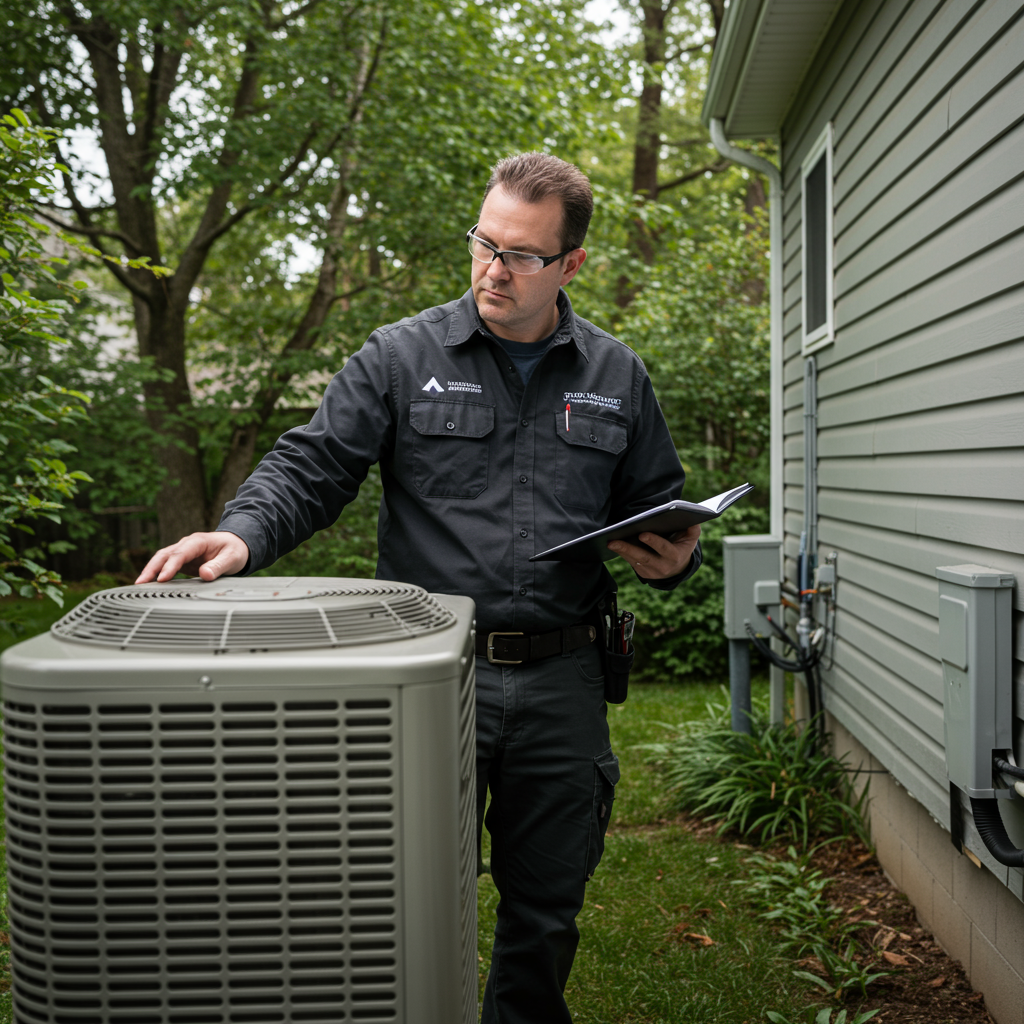
Understanding system age and safety issues helps buyers plan and negotiate smartly.
Water, Moisture, and Mold: Hidden Enemies of a Home
Water damage is one of the most expensive and disruptive problems a homeowner can face. During your inspection, pay close attention to moisture-related issues. Your inspector should check basements and crawl spaces for dampness, efflorescence (white mineral deposits), musty odors, or mold growth. Around bathrooms and kitchens, they should look for soft spots in flooring, stained ceilings, and failed caulking or grout that could allow water intrusion. Outside, gutters, downspouts, and grading should direct water away from the foundation. As a buyer, you should be looking for clear answers to questions like: Has there been previous water damage? Was it properly repaired? Are there ongoing drainage issues that might continue to cause problems?
Safety, Code Concerns, and Environmental Risks
A licensed inspector is not a code enforcement officer, but they are trained to spot safety concerns and obvious code issues. You should be looking for working smoke and carbon monoxide detectors, secure stair railings, safe steps, and proper egress from bedrooms and basements. In older homes, inspectors may flag potential asbestos in insulation or floor tiles, lead-based paint, or outdated fuel tanks. Depending on your region, they may recommend additional tests for radon, well water quality, or termites and other wood-destroying insects. As a buyer, don’t ignore “recommend further evaluation” notes—those are signals that you may need a specialist and that the issue could affect your health, safety, or insurance coverage.
Functionality and Everyday Livability
Beyond big-ticket items, an inspection should also confirm that the home will work well for your daily life. Buyers should be looking for basic functionality: do doors and windows open and close smoothly, and do they lock properly? Are there enough outlets in key rooms, and are they conveniently located? Do all fixtures, appliances, and fans operate as expected? While these may seem minor compared to a roof or foundation, a long list of small defects can hint at deferred maintenance and give you leverage to request repairs or credits from the seller. Walking the house with the inspector and testing things yourself—flipping switches, running faucets, opening windows—helps you understand how the home actually feels to live in.
Making the Most of Your Inspection Report
Remember that the inspection is not just a pass-or-fail test; it is a decision-making tool. Once you receive the report, review it carefully with your real estate agent. Separate issues into three buckets: safety and structural concerns, significant upcoming expenses, and minor or cosmetic items. As a buyer, you should be looking for which findings justify renegotiating price, requesting repairs, or, in rare cases, walking away entirely. Use the report to plan your first-year budget, prioritize upgrades, and understand which projects can wait. A thorough inspection with a licensed professional gives you a realistic picture of the home—not a perfect one, but one that lets you move forward with eyes wide open and fewer surprises after closing.
Working with a Trusted Experienced Buyer's Agent
Finally, probably the a very important piece to your home inspection is your Buyer Agent. Experience is priceless when it comes to having a list of inspectors that have been used in the past by the Agent's clients. Their experience and reviews are invaluable to you. This blog post started with you doing the research and finding an inspector you like and can work with. By using a suggestion list from your Agent, your time is more focused on picking from the best of inspectors picked and used by past clients.
I close this blog post with a simple offer to you. Use my 32+ years as a licensed Real Estate Agent to your advantage. Let me help you have a successful closing on your next home or investment property. Read my reviews, my Zillow reviews, my Google reviews, and see what my past Clients say about working with me as their Agent. Use my Contact Form to send me a request for a phone call, or a Zoom call, at a time that is best suited for you. It costs you ZERO to have a simple 15 minute conversation to see if we can work together.