Selling Land to Residential Developers in the RGV
From Raw Acreage to RGV Rooftops
Market Intelligence for 4th and 5th Generation RGV Landowners
Could a Residential Developer Be Interested in Your RGV Land?
If you own acreage in McAllen, Edinburg, Mission, or elsewhere in the Rio Grande Valley, your property may appeal to more than one type of buyer. Depending on its location, access, flood risk, surrounding development, and potential use, it may interest another agricultural buyer, a land investor, a homebuilder, or a residential developer.
Selling land for residential development requires more than choosing a price per acre. It requires understanding your property's characteristics, identifying potential buyers, and developing a realistic strategy for bringing the property to market.
I'm Richard Womeldorf, a Texas-licensed real estate agent with Keller Williams Realty RGV.
Licensed since 1994, I help property owners evaluate their selling options and navigate the real estate process.
My goal is to help you understand your property's potential market, identify the issues that may affect a sale, and make informed decisions about pricing and marketing.
Not every tract is suitable for residential development, and development potential does not guarantee a higher selling price. The first step is understanding what you own and which buyers are most likely to find it attractive.
Considering selling your Rio Grande Valley acreage?
Contact Richard to discuss your property and your selling objectives.
What Makes Land Attractive to a Residential Developer?
Residential developers evaluate land differently from buyers who intend to farm it, ranch it, or hold it as a long-term investment.
A developer generally needs to determine whether a property can support a financially feasible project. That evaluation can involve the land itself, applicable development requirements, infrastructure costs, and the demand for the homes that might eventually be built.
Factors that may influence a developer's interest include:
Location and surrounding growth: Proximity to existing neighborhoods, employment centers, transportation corridors, and other development.
Flood risk and drainage: FEMA flood-zone information, floodway restrictions, drainage conditions, and applicable engineering requirements.
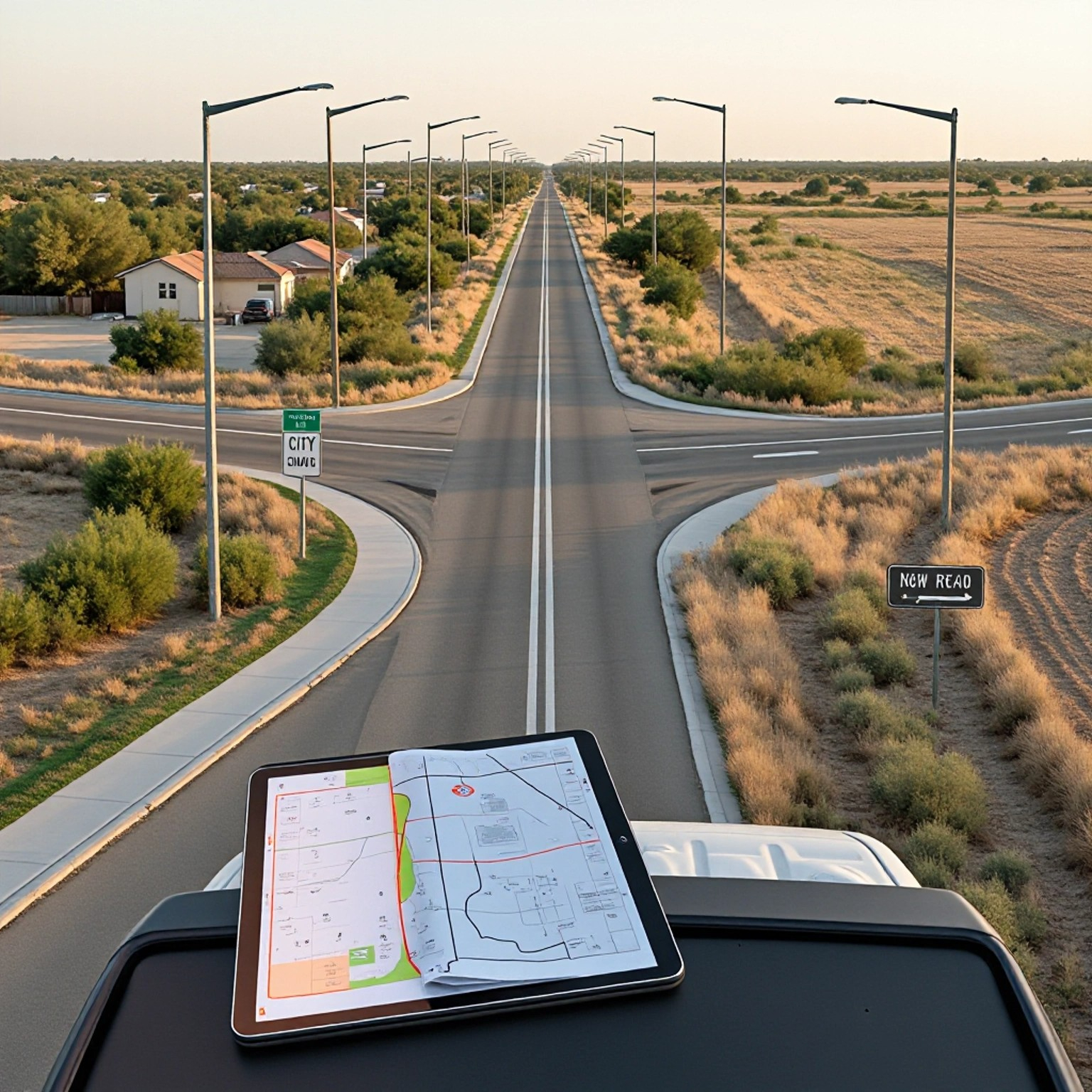
Access: Legal access to public roads and the practicality of connecting the property to the surrounding road network.
Land characteristics: Tract configuration, topography, usable acreage, easements, and other physical limitations.
Development requirements: Applicable zoning, subdivision regulations, platting requirements, and necessary approvals.
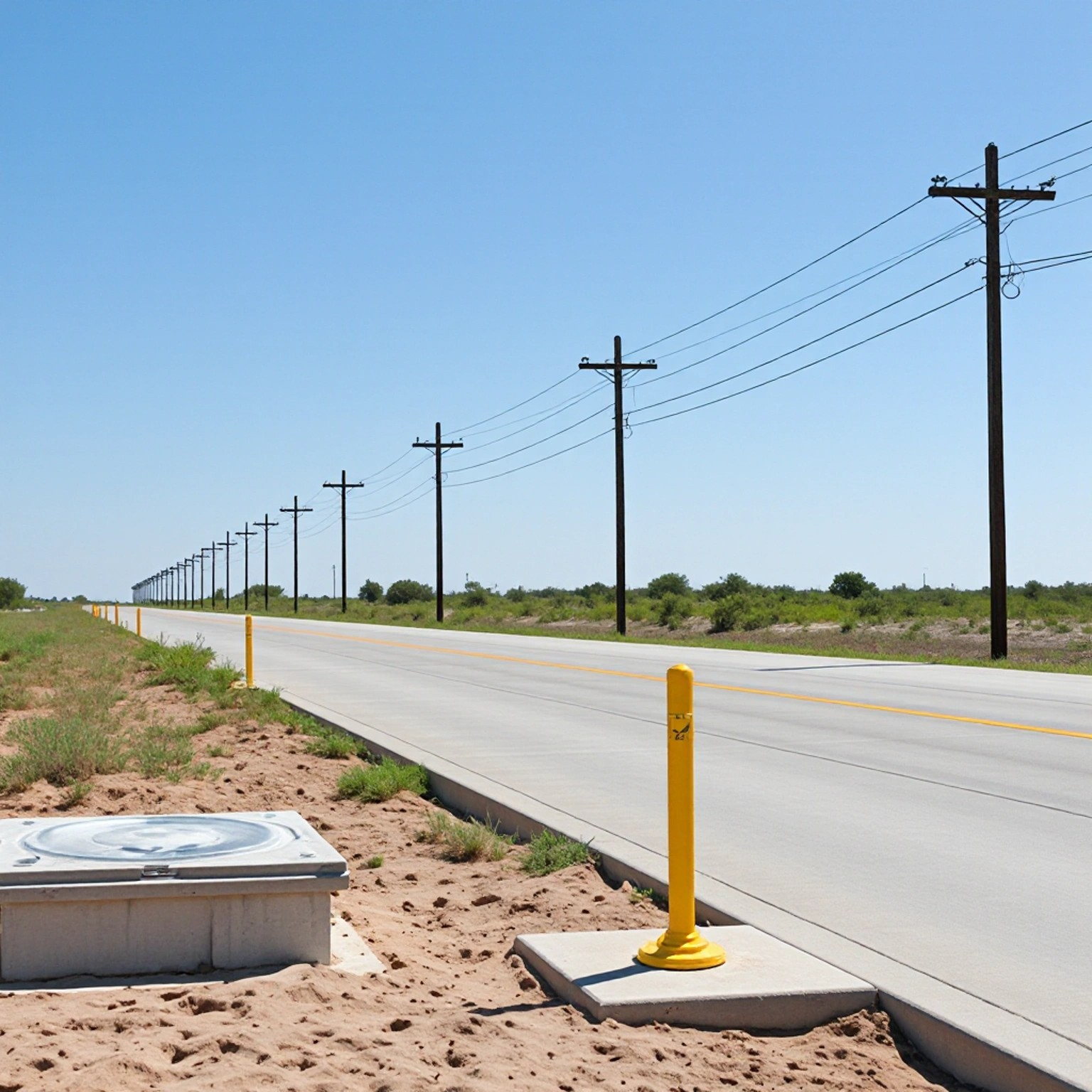
Utilities and infrastructure: The availability and cost of water, wastewater service, electricity, and required public improvements.
Market demand: Whether the proposed development is economically realistic given the location, competition, and potential home prices.
A property does not have to be ready for construction to attract a developer. However, uncertainty, additional costs, approval requirements, and development risks can influence what a buyer is willing to offer.
The objective is to understand the property's strengths and limitations before deciding how to market it.
How Much Is Your Land Worth
to a Developer?
One of the most important questions a landowner asks is, "How much is my land worth per acre?"
Comparable land sales can provide a useful starting point, but acreage prices alone do not tell the entire story.
Two properties with the same number of acres may have substantially different market values because of their location, access, flood risk, development restrictions, configuration, and potential uses.
A developer may also evaluate how much usable land remains after accounting for roads, drainage, utility corridors, required improvements, and other project considerations.
Understanding Highest and Best Use
Real estate professionals often use the term "highest and best use" when evaluating a property's potential.
The concept considers four broad questions:
Physically possible: What uses are physically practical given the property's size, shape, terrain, access, and other characteristics?
Legally permissible: Which uses are allowed under applicable laws, regulations, restrictions, and approval requirements?
Financially feasible: Could a proposed use reasonably justify its costs and risks?
Maximally productive: Among the uses that pass the other tests, which is expected to produce the greatest value?
This is a framework for evaluating potential uses, not a guarantee that a developer will pursue a particular project.
A property that appears suitable for residential development may still face obstacles involving flood risk, drainage, access, infrastructure costs, approval requirements, or market conditions.
Why the Right Asking Price Matters
An asking price should reflect the property's characteristics, relevant market evidence, and the type of buyer being targeted.
Pricing too high can discourage qualified buyers and delay a sale. Pricing too low can leave the owner wondering whether the property could have attracted a better offer.
In my experience, realistic pricing and an appropriate marketing strategy are essential when selling land.
I once took on a 20-acre property after it had remained listed with another broker for five years. I agreed to represent the owner only if the asking price was brought into a reasonable range based on my recommendations. The property subsequently sold at its full asking price within six months.
Every property and market is different, but this experience illustrates why an honest pricing discussion should happen before a listing begins.
Can Your Agricultural Land Be Sold to a Residential Developer?
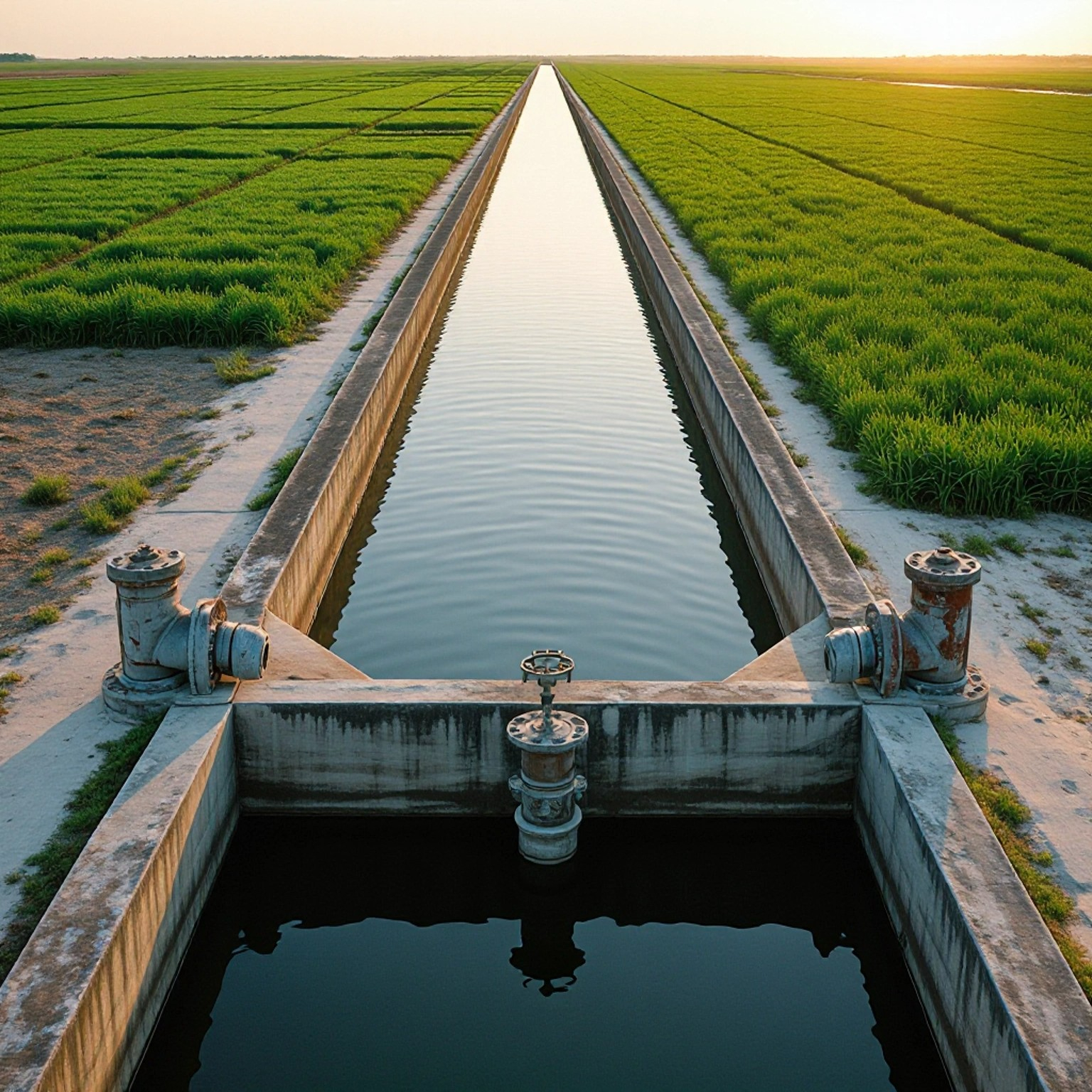
Some landowners reach a point when continuing agricultural operations no longer makes economic sense. Others own acreage that has become more attractive to potential buyers because of surrounding growth.
A change in potential use does not automatically make development the best option. It does mean that owners may benefit from evaluating more than one type of buyer.
When Farming No Longer Makes Financial Sense
I was approached by an orange-grove farmer who owned approximately 10 acres. The costs and effort associated with operating the grove, including water and other agricultural expenses, were no longer making sense for the owner.
I listed the property, and it sold to a developer.
The lesson is not that every citrus grove should be sold. It is that a landowner's circumstances can change, and it may be worthwhile to investigate whether the property's market has changed as well.
When Inherited Acreage May Interest a Developer
I also represented a couple living in California who had acquired approximately 20 acres through family deaths. They needed to sell land located far from their residence.
I listed the property, and it sold for residential development.
For out-of-state owners, selling inherited land can involve additional questions about ownership records, authority to sell, documentation, taxes, and closing logistics. Those issues should be addressed as appropriate to the property's circumstances.
The potential buyer should also be evaluated on the property's merits rather than assuming that every inherited tract is suitable for development.
Who Might Buy Your Property?
Depending on the tract, potential buyers may include:
Agricultural operators and ranch buyers.
Individual land investors.
Residential builders and developers.
Commercial or mixed-use developers.
Neighboring owners interested in acquiring additional acreage.
The best buyer is not necessarily the one who initially offers the highest price. The offer terms, due-diligence period, contingencies, financing, and likelihood of closing also matter.
The goal is to identify the market most appropriate for your land and develop a strategy that supports your selling objectives.
How Flood Risk Can Affect the Sale of Development Land
Flood risk deserves early attention when evaluating land that may interest a residential developer.
A property can appear attractive because of its location or proximity to existing neighborhoods but still have significant development limitations because of floodways, drainage conditions, or other site constraints.
Reviewing FEMA flood maps can help identify mapped flood hazards. However, a map review is an initial screening step, not a complete determination of whether a proposed residential project can be built.
Important considerations may include:
Whether all or part of the property lies within a mapped flood hazard area.
Whether a designated floodway affects the tract.
How much usable acreage remains after considering site constraints.
What drainage studies, engineering, permits, or elevation measures may be required.
Whether applicable local requirements affect the proposed development.
Being in a FEMA-designated flood zone does not automatically mean that no construction is possible. The implications depend on the specific flood designation, the proposed project, applicable regulations, and site conditions.
Likewise, land outside a mapped flood hazard area is not necessarily free from flooding or drainage problems.
For a seller, understanding these issues can help explain why different buyers may evaluate the same property differently.
For additional information, see the related resource on FEMA Flood Map Zones and Drainage Requirements.
Should You Subdivide Your Land Before Selling It?
Some landowners assume that they must complete a subdivision before marketing their acreage. Others believe that a survey and metes-and-bounds descriptions are always sufficient to sell separate portions of a property.
Neither assumption is universally correct.
The appropriate approach depends on the property's location, the nature of the proposed division, the intended transaction, and the requirements of the applicable jurisdiction.
For example, McAllen's Unified Development Code contains platting requirements for covered divisions of land within the city's corporate limits and extraterritorial jurisdiction. Those requirements can apply even when a division is conveyed using a metes-and-bounds description. Other circumstances and exemptions must be evaluated under the applicable rules.
A survey can help identify boundaries and describe property, but it does not automatically establish that a proposed division has received all required approvals.
Evaluating the Options Before Selling
Before deciding whether to sell an entire tract or consider separate portions, a landowner may need to investigate:
Existing deeds and legal descriptions.
Current surveys and boundary information.
Access to each proposed parcel.
Easements and other recorded restrictions.
Applicable subdivision and platting requirements.
Utility and drainage considerations.
Title company requirements and other closing issues.
In one transaction, I arranged for a surveyor to prepare a plat identifying a 10-acre tract as Lot 1 and existing income-producing properties as Lots 2 and 3. The sale was structured using metes-and-bounds descriptions without requiring the seller to complete a formal subdivision beforehand.
That transaction illustrates why the property's configuration and circumstances should be evaluated individually. It should not be taken to mean that a survey or metes-and-bounds description eliminates platting requirements in every situation.
For additional information, see Subdividing Rio Grande Valley Land.
Do Utilities Have to Be Installed Before You Sell?
Not necessarily.
Whether it makes sense to install or extend utilities before selling depends on the property, the likely buyer, and the intended use.
A developer may be willing to purchase raw land and undertake utility extensions or other infrastructure improvements as part of a larger project. The cost and feasibility of those improvements may influence the offer.
In other situations, uncertainty about service availability, extension costs, easements, or required improvements may make the property more difficult to evaluate.
Before spending money on utility improvements, consider verifying:
Whether water and wastewater service are available in the area.
Whether electricity can be extended to the property.
What capacity and connection requirements apply.
Whether off-site extensions or additional infrastructure are necessary.
Whether easements, permits, or other approvals may be required.
Which costs would be borne by the seller and which might be assumed by the buyer.
Availability should be confirmed with the relevant utility provider.
Being near an existing line does not necessarily mean that service can be connected at a particular cost or on a particular schedule.
For more information, see Running Utilities to Raw Land.
What About Agricultural Appraisal and Rollback Taxes?
Landowners receiving an agricultural appraisal or another qualifying special appraisal should understand how a proposed sale or change in use may affect the property's tax treatment.
The consequences depend on the type of appraisal, the property's history, the nature of any change in use, and the applicable Texas tax rules.
For example, Texas's 1-d-1 agricultural appraisal provisions generally address rollback taxes when land's qualifying agricultural use changes. The rules for other appraisal categories can differ.
A sale by itself should not automatically be described as triggering rollback taxes in every case.
Before agreeing to a sale, consider contacting the county appraisal district or a qualified tax professional to determine whether a change in use could create a tax liability and how that liability might affect your financial planning.
The buyer and seller should also understand the relevant contract terms and closing arrangements.
How I Help Landowners Prepare To Sell
Selling acreage requires a strategy that reflects the property and the owner's objectives.
My role is to help you understand the selling process, consider the property's market, and develop a plan for bringing it to qualified potential buyers.
Depending on the property, that process may involve:
Understanding your objectives. Are you selling an entire tract, inherited acreage, agricultural land, or property you believe may appeal to a developer?
Reviewing the property's characteristics. Consider location, acreage, access, available records, known restrictions, and other relevant information.
Identifying potential obstacles. Determine which questions may require further investigation by a surveyor, engineer, attorney, title company, utility provider, or other qualified professional.
Discussing market positioning. Evaluate relevant market information and consider which types of buyers may be appropriate.
Developing a marketing strategy. Present the property accurately and communicate its characteristics and known limitations.
Evaluating offers. Consider price, contingencies, due-diligence requirements, closing terms, and other factors affecting the transaction.
Not every property requires the same preparation. Some questions can be addressed before listing, while others may be better handled during a buyer's due-diligence period.
The goal is to make informed decisions without incurring unnecessary expenses or making promises about development potential that have not been verified.
Frequently Asked Questions
Your questions answered by richard
Find clear, honest answers to common questions about Selling Land to Developers.
How do I know whether a developer might want to buy my land?
The Answer: Start by examining the property's location, size, access, surrounding development, applicable restrictions, and potential uses. Relevant land sales and local market conditions can help you assess whether residential developers are a realistic audience. A developer's interest cannot be guaranteed.
Is land worth more to a developer than to a farmer or rancher?
The Answer: Sometimes, but not always. A developer may consider potential residential use, while an agricultural buyer may focus on productivity, water, access, and other operating characteristics. The property's market value depends on the evidence, the potential buyers, and the risks and costs associated with each possible use.
Does my land have to be ready for construction before I sell it?
The Answer: No. Raw land can be marketed to buyers willing to investigate and undertake development work. However, unresolved questions about access, drainage, platting, utilities, or other requirements may affect the price, offer terms, and likelihood of closing.
Can I sell land that is in a FEMA flood zone?
The Answer: Potentially. The effect depends on the specific flood designation, whether a floodway is involved, the proposed use, applicable regulations, and the property's physical characteristics. Flood risk can limit development or affect value, but a mapped flood zone does not automatically prohibit every type of construction.
Do I have to subdivide my acreage before selling it?
The Answer: Not in every circumstance, but you should not assume that a survey or metes-and-bounds description alone is sufficient. Applicable subdivision and platting requirements depend on the property's location and the nature of the proposed transaction. Verify the requirements before structuring a sale of only part of a tract.
How does the asking price affect a land sale?
The Answer: An asking price that is not supported by market evidence may discourage buyers and prolong the listing. Pricing should take account of comparable sales, the property's characteristics, likely demand, and the intended buyer. A realistic price does not guarantee a sale, but it gives the marketing strategy a sounder starting point.
Should I install utilities before putting my land on the market?
Not automatically. First determine whether service is available, what extensions might cost, and whether the likely buyer would prefer to undertake the improvements. Depending on the property, installing utilities before selling could be worthwhile or could create expenses that the market will not fully recognize in the price.
Who pays rollback taxes when agricultural land is sold for residential development?
The answer depends on the property's appraisal classification, whether qualifying use changes, the applicable tax rules, and the transaction circumstances. A change in ownership alone should not be assumed to create rollback taxes in every case. Consult the county appraisal district or a qualified tax professional about the specific property.
What is the minimum lot size for a residential subdivision in McAllen?
There is no single minimum lot size that can safely be applied to every proposed subdivision without considering the property's zoning, applicable development standards, platting requirements, and the intended project. Review the current McAllen Unified Development Code and confirm the requirements with the appropriate planning authority before relying on a particular lot size.
Can I sell inherited land in Texas if I live in another state?
Often, yes, but the ownership records and authority to sell must be established for the particular situation. Inherited property may require additional documentation or legal steps before a transaction can close. Out-of-state owners should resolve ownership and signing requirements with the title company and, where appropriate, a Texas attorney.
What should I do first if I am considering selling my RGV acreage?
Start by gathering the existing deed, survey if available, property tax information, and any records concerning leases, easements, or known restrictions. Then discuss your objectives and the property's characteristics with a land real estate professional. Additional research can be prioritized according to the property's circumstances.
Free Initial Consultation Available
Let's Discuss Your Rio Grande Valley Land
If you own acreage in McAllen, Edinburg, Mission, or elsewhere in the Rio Grande Valley and are considering selling, I invite you to start with a conversation.
We can discuss the property's location, your objectives, the potential buyer market, and the questions that may need to be investigated before or during the selling process.
You do not need to have every development question answered before asking about your selling options.
Coming Soon
Coming Soon
Coming Soon
Coming Soon
Coming Soon
Coming Soon

Each Office is Independently Owned And Operated
Keller Williams Realty RGV
3300 N McColl Rd
Suite P&Q
McAllen, Texas 78501
956-928-1155 - Office Tel
956-928-1422 - Office Fax
956-687-6278 - Broker's Tel
Dendea L Balli - Broker of Record
Dendea L Balli is Broker of Record for
Keller Williams Realty RGV.
Richard Womeldorf is a licensed Agent at
Keller Williams Realty RGV
Licensed Since 1994 - TREC # 0474711-SA
These Disclosures Are For YOU!!!
Texas Law requires license holders to provide the Information About Brokerage Services and the Consumer Protection Notice form to prospective clients.
To Read Now and Download the Notices
Click on a Yellow Button Below

Licensed Since 1994
Texas Licensed Real Estate Agent for
Keller Williams Realty RGV.
Offices in:
McAllen, TX
Harlingen, TX
Brownsville, TX
South Padre Island, TX


CONTACT ME
Frequently Asked Questions
Real Estate is a complex and ever changing business. One thing always stays the same and that is the person to person communication between you and your Agent. Fulfilling your goals starts with defining your specific real estate objectives and letting my 32+ years of experience navigate the market for you.
GUIDES, TOOLS, & CHECKLISTS
Real Estate Checklists
Real Estate Calculators
Seller Checklists
Buyer Checklists
Copyright 1994-2026 - All Rights Reserved
NOTHING May Be Copied Or Used From This Website Without The Expressed Written Permission From Richard Womeldorf
This website is for informational use only!
Disclaimer: Richard Womeldorf is a licensed real estate agent with Keller Williams Realty RGV in Texas (TREC License #0474711-SA).
The information provided on this website and in any downloadable guides or PDFs is for general informational and educational purposes only.
It has been gathered from publicly available sources and is based on my experience in the real estate industry.
However, nothing on this site or in any materials constitutes legal advice, accounting advice, tax advice, or any other form of professional advice.
A real estate license does not authorize me to practice law or provide legal opinions.
You should not rely on any information contained herein without first consulting a qualified attorney, accountant, tax professional, or other licensed expert who can advise you based on your specific situation and the laws applicable in your jurisdiction.
We disclaim all liability for any actions taken or not taken based on the content of this website or materials.
It is highly recommended to consult licensed professionals in your local area for opinions & advice before purchasing or selling real estate.
My posts are my personal opinions or experiences from my 32+ years as a licensed REALTOR®.
I am your Licensed Real Estate Professional and have lists that I can share with you for other licensed professionals in the industry.
You will most likely need some or all.
For Example: Surveyors, Engineers, Plumbers, Electricians, HVAC Repair, Carpenters, Contractors, Septic Tank Inspectors, etc!
Please use the links below for further Web Disclosures and Disclaimers.